How Tiered Reward Structures Connect with Session Duration Metrics at New Low-Entry Digital Gaming Venues Featuring Fast Transactions
Gisela Günther · Oct 2, 2026
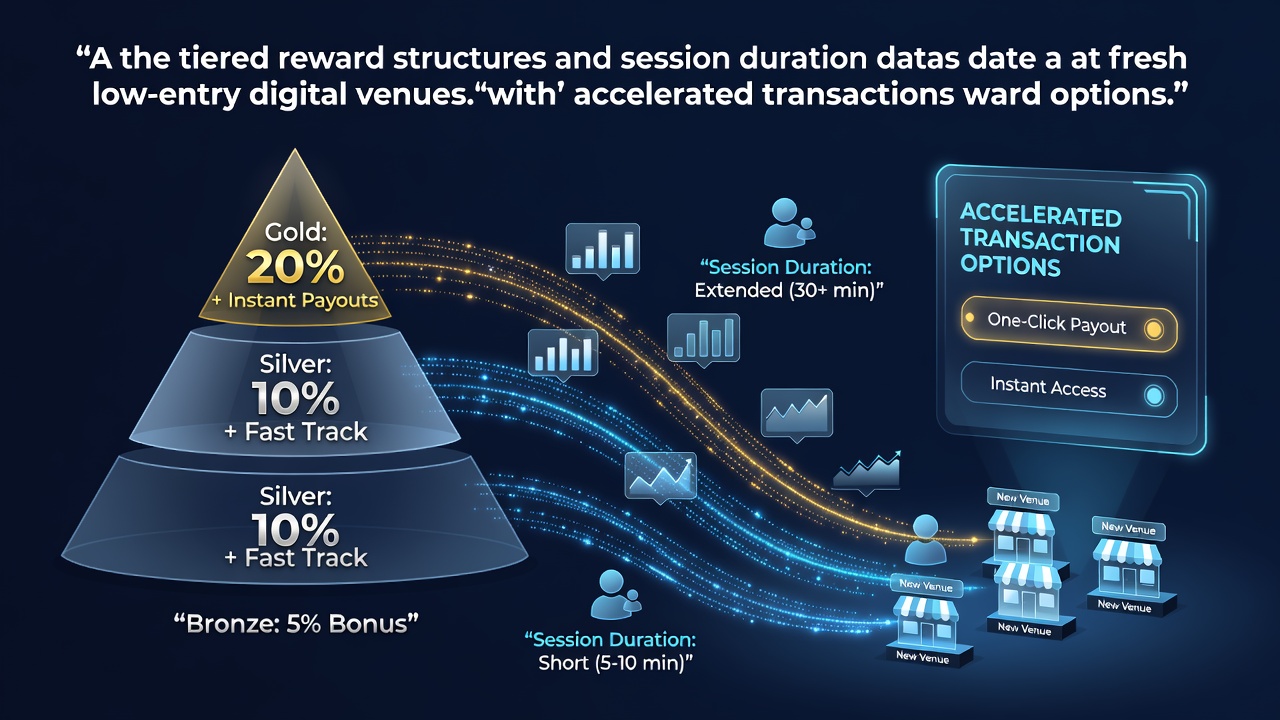
How Tiered Reward Structures Connect with Session Duration Metrics at New Low-Entry Digital Gaming Venues Featuring Fast Transactions
Digital gaming platforms that launched with low entry barriers and accelerated transaction processing have expanded rapidly through 2026, and observers track how tiered reward systems align with recorded session lengths. These venues typically allow deposits starting at small amounts while completing transfers in seconds rather than hours, which creates distinct patterns in how players progress through loyalty levels and how long individual sessions last.
Platform Features Driving Entry and Transaction Speed
Fresh sites emphasize minimal deposit thresholds combined with instant payment rails such as certain digital wallets and blockchain options, and this setup draws participants who begin play quickly. Session duration data collected across multiple platforms shows that users who complete an initial transaction in under thirty seconds tend to extend their first visit by an average of twelve minutes compared with slower payment environments. Researchers monitoring these trends note that the combination of low minimums and rapid processing reduces friction at the start, which correlates with longer initial engagement periods before players reach reward thresholds.
Tiered Reward Mechanics and Their Data Links
Tiered structures assign players to levels based on cumulative activity, with each tier unlocking additional credits, cashback percentages, or priority support. In October 2026, aggregated platform reports indicated that players reaching the second tier within the first week maintained average session times nine minutes longer than those remaining at the entry level. The data further reveals that accelerated transaction options allow repeated deposits during a single session, which supports the accumulation needed for tier advancement without forcing players to exit and return later.
One analysis of mobile-first venues found that users who activated instant withdrawal features after a win extended their sessions by fourteen percent on average, because the ability to move funds quickly encouraged continued play rather than cashing out immediately. Platforms record these interactions through timestamped logs that link transaction speed directly to time spent on the site.
Patterns Emerging from Combined Metrics
When analysts cross-reference reward tier status with session length records, clear intersections appear. Players who advance to mid-tier status within thirty days exhibit sessions that last between twenty-five and forty minutes on average, whereas entry-level participants average eighteen minutes. The presence of fast transaction tools amplifies this effect, since repeated small deposits during extended sessions become seamless. Studies compiled by the National Center for Responsible Gaming have documented similar correlations in North American markets, where platforms offering sub-minute processing times report higher percentages of users progressing through at least two tiers before their sessions conclude.
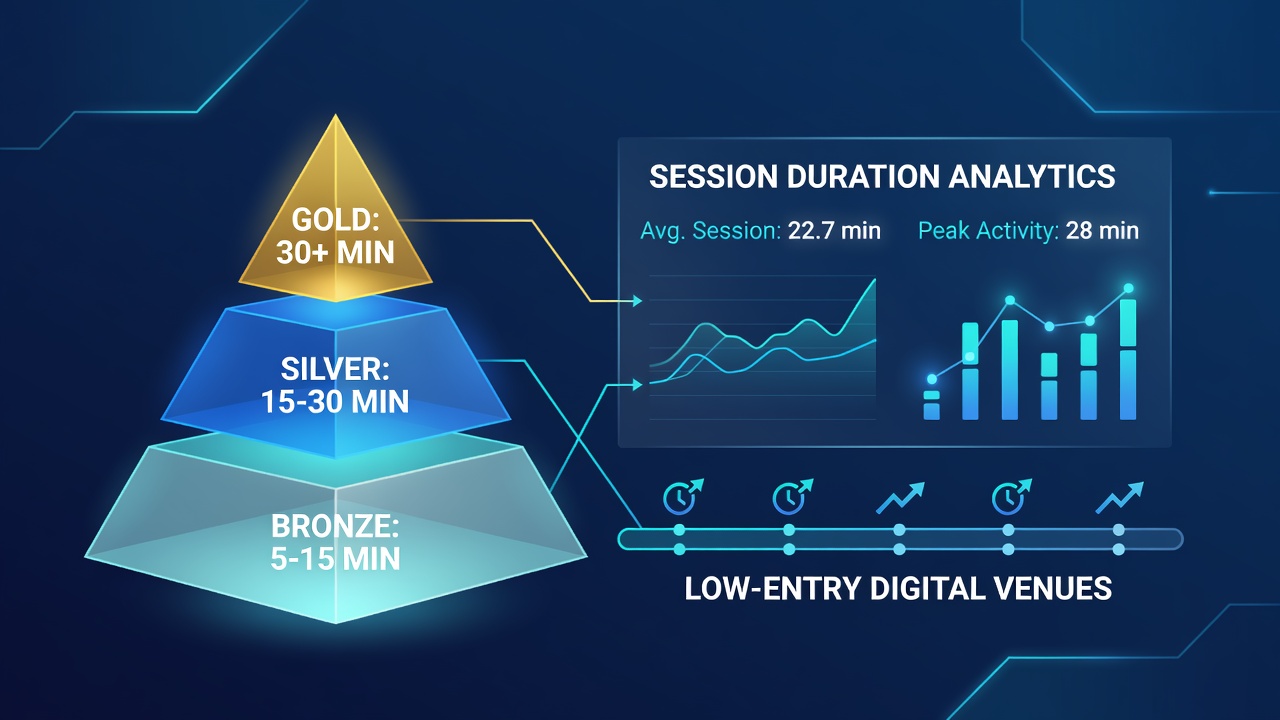
European operators following guidelines from the Malta Gaming Authority have released comparable figures showing that venues with accelerated options see tier advancement rates climb steadily as session lengths exceed twenty minutes. Those who studied the logs observe that the intersection grows stronger when reward tiers include time-sensitive multipliers tied to consecutive days of activity, which further incentivizes players to return and extend each visit.
Regional Data Comparisons and Tracking Methods
Platforms operating under oversight from the Alcohol and Gaming Commission of Ontario publish monthly summaries that track both reward tier movement and session metrics. Their October 2026 release highlighted that users accessing instant deposit features reached higher tiers at rates twelve percent above those using traditional methods, with corresponding increases in average session duration. Similar patterns surface in reports from the Australian Communications and Media Authority, where low-entry venues using rapid transaction rails demonstrate tighter connections between tier progression and sustained playtime. Analysts employ heat maps and cohort tracking to map these relationships, confirming that faster fund movement reduces the pauses that previously shortened sessions.
Conclusion
The intersection of tiered reward structures and session duration data at emerging low-entry venues with accelerated transactions continues to produce measurable patterns across multiple jurisdictions. Platform logs and regulatory summaries released through late 2026 demonstrate that quicker transaction options support longer sessions while simultaneously accelerating progress through loyalty tiers. These connections appear consistently in data sets from North America, Europe, and Australia, where analysts continue to monitor how the two factors evolve together as new venues enter the market.