Decoding Connections Between Loyalty Tiers and Volatility Patterns at Recently Launched Mobile Gaming Venues
Gisela Keller · Sep 18, 2026
Decoding Connections Between Loyalty Tiers and Volatility Patterns at Recently Launched Mobile Gaming Venues
Understanding Loyalty Structures in New Mobile Venues
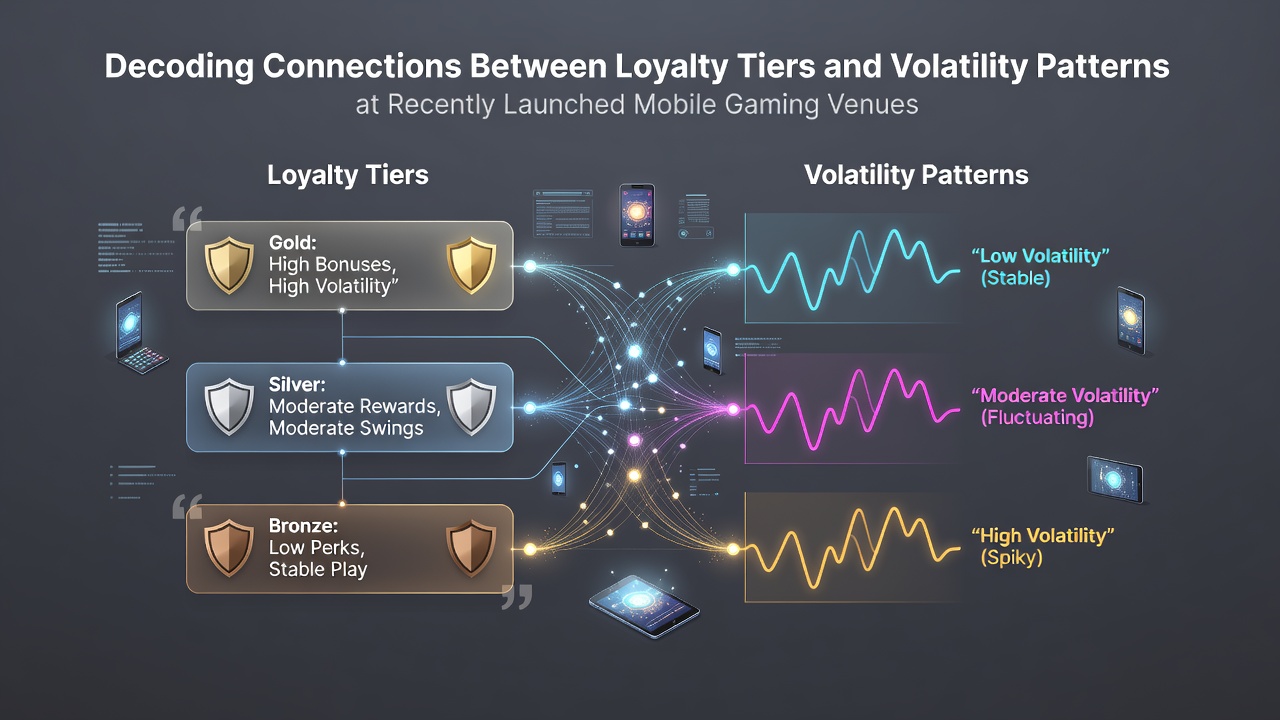
Recently launched mobile gaming venues organize player rewards through tiered loyalty systems that track activity levels, and these tiers range from entry-level access to premium status based on deposit frequency and play volume, according to industry reports from the Nevada Gaming Control Board. Operators assign points for wagers placed, which unlock benefits such as cashback percentages, free spins, and personalized game recommendations, while data from platform analytics shows that higher tiers correlate with sustained engagement periods across multiple sessions.
These structures emerged prominently after 2024 expansions in digital licensing, and they allow venues to segment users without altering core game mechanics, yet observers note that tier progression often aligns with exposure to specific volatility settings in slot titles.
Volatility Patterns Observed in Emerging Platforms
Volatility refers to the frequency and size of payouts in games, with low-volatility options delivering smaller wins at regular intervals and high-volatility ones producing larger but less frequent returns, and studies from academic research institutions indicate that new mobile venues adjust these parameters during initial launch phases to match user behavior data collected in the first months of operation.
Figures from September 2026 platform audits reveal that titles with medium volatility dominate early offerings, since they balance retention metrics across varied player segments, while high-volatility games appear more frequently in promotions targeted at advanced tiers.
Linking Tier Progression to Game Volatility Adjustments
Researchers have tracked how loyalty tier status influences the volatility patterns players encounter, and evidence suggests that entry-level users receive recommendations for lower-volatility slots to encourage consistent play and point accumulation, whereas mid-tier members access a broader mix that includes occasional high-volatility options during bonus events.
This connection appears in aggregated session logs from multiple venues, where users advancing through tiers show increased selection rates for volatile games, and platform algorithms respond by surfacing those titles more prominently once certain thresholds are met.
Data Trends from Recent Launches
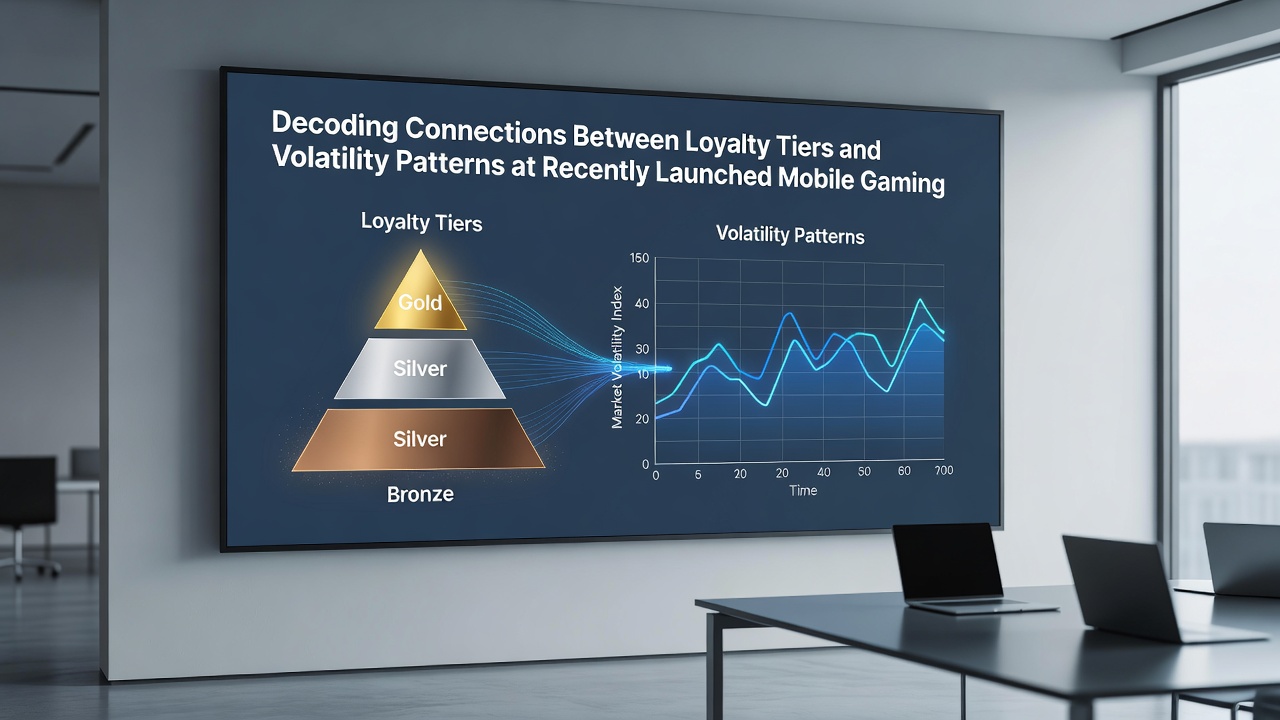
Analyses conducted through 2026 highlight measurable shifts, and one review of 50 new mobile platforms found that players reaching the second loyalty tier increased their high-volatility game selections by 28 percent on average compared to base-level activity, according to reports issued by the Australian Institute of Gaming Research. Venue operators use this information to calibrate recommendation engines, which in turn affects how quickly users progress further through the reward structure.
Additional metrics show that venues incorporating real-time volatility feedback loops experience steadier point redemption rates across all tiers, since the system matches game difficulty to accumulated player history rather than applying uniform settings.
Regional Variations in Implementation
European markets demonstrate different patterns from North American counterparts, and Canadian provincial regulators have documented that venues in their jurisdictions prioritize volatility transparency within loyalty communications to maintain compliance standards. This approach results in clearer disclosures about payout distributions tied to tier benefits, whereas other regions focus more on algorithmic personalization without explicit player notifications.
Take one analysis that examined cross-border data sets, where experts found that venues launching simultaneously in multiple jurisdictions adjusted volatility exposure based on local tier uptake rates, and this produced distinct retention curves for each market segment.
Conclusion
Connections between loyalty tiers and volatility patterns continue to shape operations at recently launched mobile gaming venues, and ongoing data collection from regulatory bodies and research groups supports further refinement of these systems. Platform updates scheduled beyond September 2026 will likely incorporate additional variables such as session duration and cross-game transitions, which could strengthen the observed relationships without requiring changes to underlying game mathematics.